Why a Reading Routine Matters for Children
How regular reading supports learning and confidence.
Reading often helps children become more familiar with words, sounds, and sentence structures. Over time, this can help with classroom learning, increase knowledge, and boost confidence. Even brief sessions with children's storybooks might help a child become more comfortable with reading books.
Why small daily habits work better than occasional long sessions.
A ten-minute reading session every day is typically easier to manage than a longer session once a week. Small steps work better with school, clubs, and family life. They also help children see reading as a natural part of their day rather than a daunting activity.
How reading routines can make books feel enjoyable, not forced.
Creating a predictable reading routine gives children a sense of comfort. When it becomes a natural part of the day — just like brushing their teeth or getting their school bags ready — reading feels easier and more settled for everyone.
Understanding Your Child's Current Reading Habits
Spotting what is helping or hindering their reading routine.
Before changing anything, look at what already happens. Ask yourself:
- When does your child seem most settled?
- Do they enjoy reading alone, with help, or by listening?
- Are screens, tiredness or jam-packed evenings getting in the way?
Talking to your child about the books they both enjoy and avoid.
Children are more likely to read if they feel heard. Ask what they enjoy about specific stories, characters, or topics. They may choose humorous stories, facts, animals, adventures, or small picture books to lengthy chapters.
Matching the routine to age, reading level and attention span.
A reading routine should be tailored to the specific child in front of you. Younger children may appreciate five minutes of bedtime stories, while older children may prefer longer periods of peaceful reading. Keep the routine appropriate for their stage, rather than what you believe it should look like.
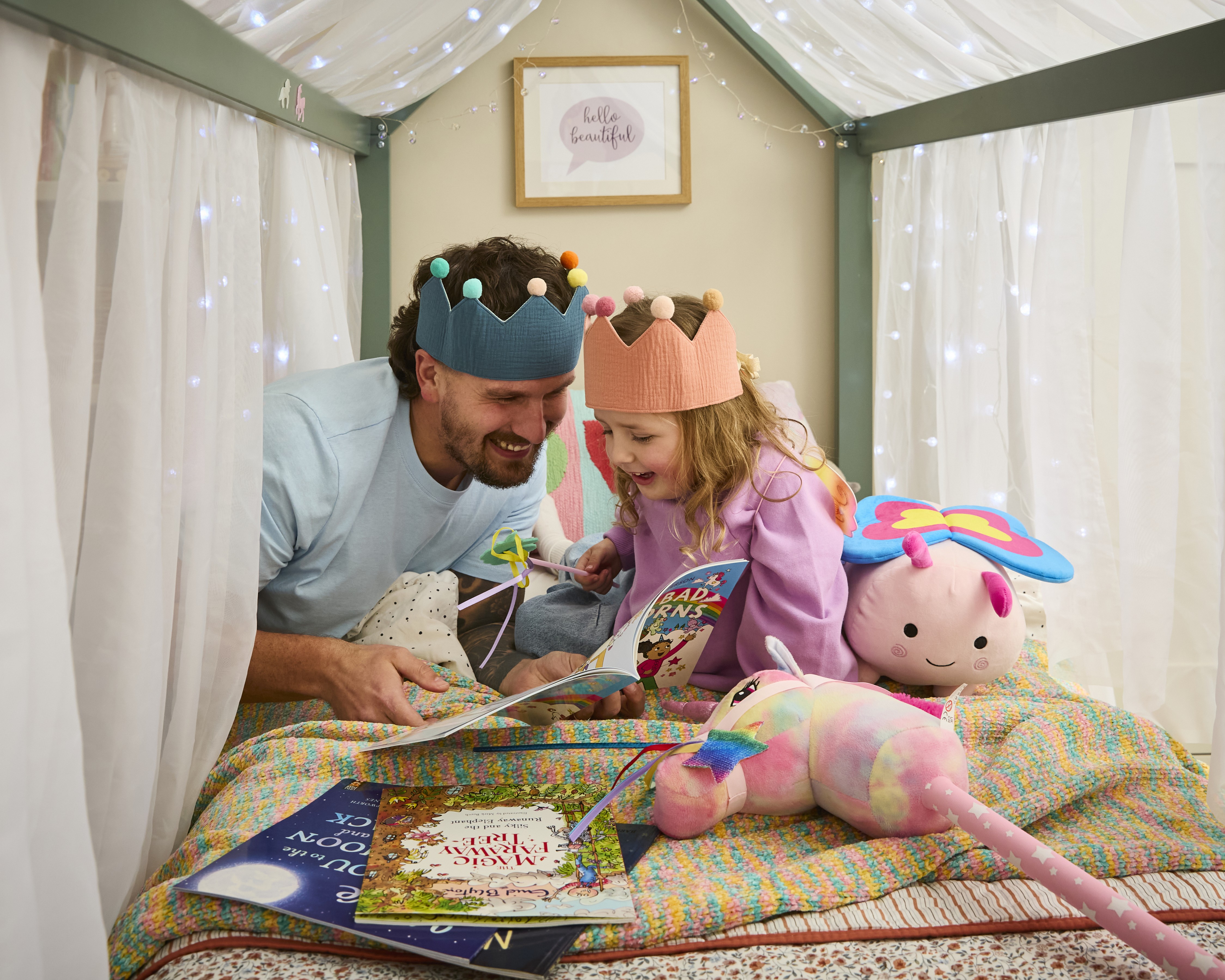
Start with a Reading Goal that Feels Easy
Choose a simple daily or weekly reading target.
Start small. A realistic goal could be:
- One story before bed.
- Ten minutes after school.
- Three reading sessions across the week.
Focusing on consistency before increasing reading time.
The aim at first is not to read more. It is important to read regularly. Once daily reading habits feel settled, you can slowly build the time if your child is responding well.
Setting goals that feel achievable on school nights and weekends.
Keep school night goals simple. Weekends can be more flexible, with a longer story, a trip to choose books, or shared reading in the afternoon.
Choose the Best Time and Place for Children to Read
Building reading into the morning routine.
Some children are fresh and focused in the morning. A short book at breakfast time or while getting ready can work well if evenings are too busy.
Using after-school reading time effectively.
After school can be a good time for short reading, especially before screens go on. A quick snack, a few quiet minutes, and one story can create a strong habit.
Creating a calm bedtime reading habit.
For many families, bedtime stories are the easiest option. They help children slow down and support a screen-free bedtime. Keep the space cosy, quiet and free from distractions where possible.
Let Children Choose the Books they Want to Read
Why book choice helps children stay motivated.
Choice gives children a sense of control. If they help pick the book, they are more likely to stay interested and return to it tomorrow.
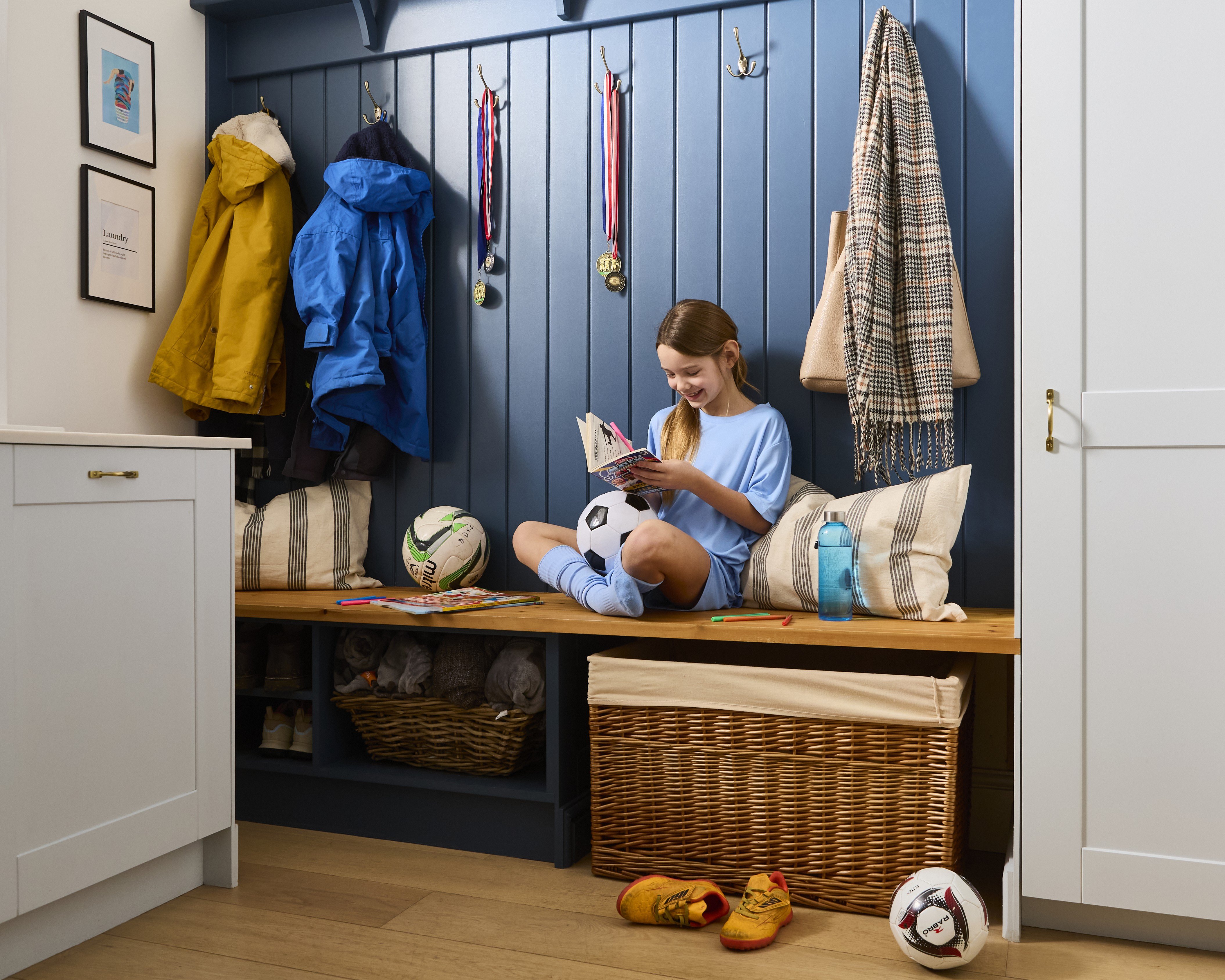
Picking stories that match reading level and interests.
Look for books that are not too hard and not too easy. The right choice should feel engaging without becoming frustrated. Funny books, familiar series and themed children's books can all help.
Mixing picture books, chapter books and non-fiction.
Variety keeps reading fun alive. Try a mix of:
- Picture Books for quick wins.
- Kids' storybooks for shared reading.
- Simple non-fiction for curious readers.
- Chapter books for older children, building stamina.
At The Works, we offer a wide range of children's books, from classic picture books to modern kid's storybooks, all at affordable prices. Encouraging that freedom of choice supports confidence and independence in reading.
Make Reading Part of Everyday Family Life
Children copy what adults do. When they see grown-ups reading, they view it as normal, enjoyable behaviour. Try setting aside a short “quiet reading” time for everyone in the family.

Other ideas include:
- Reading books together during breakfast or a weekend afternoon.
- Turning car journeys into story time with short audiobooks.
- Keeping children’s storybooks in accessible spots around the home.
These small touches help weave reading naturally into daily family life.
Use Simple Ways to Keep Children Interested in Reading
Keeping things fresh helps maintain enthusiasm. Mix different kinds of books and interactive activities to keep curiosity alive.
Try these ideas:
- Alternate between picture books, activity books, and short stories.
- Create a themed reading week (for example, animals, magic, or travel).
- Act out scenes using toys or drawings to blend reading with playtime fun.
- Combine reading with crafts after finishing a story and make something inspired by it using simple art materials.
At The Works, you’ll find low-cost craft kits and colouring sets that can pair perfectly with reading books, turning stories into hands-on creativity.
What to Do if a Child Loses Interest in Reading
If your child loses enthusiasm, stay calm and positive. Forcing the issue rarely works. Instead, go back to what they enjoy, perhaps shorter books, comics, or even story-based games. Try reading aloud together or swapping who reads each page. Turning reading back into a shared experience can reignite interest.
You could also explore new topics. Sometimes children just need a different story theme or book format to feel inspired again.
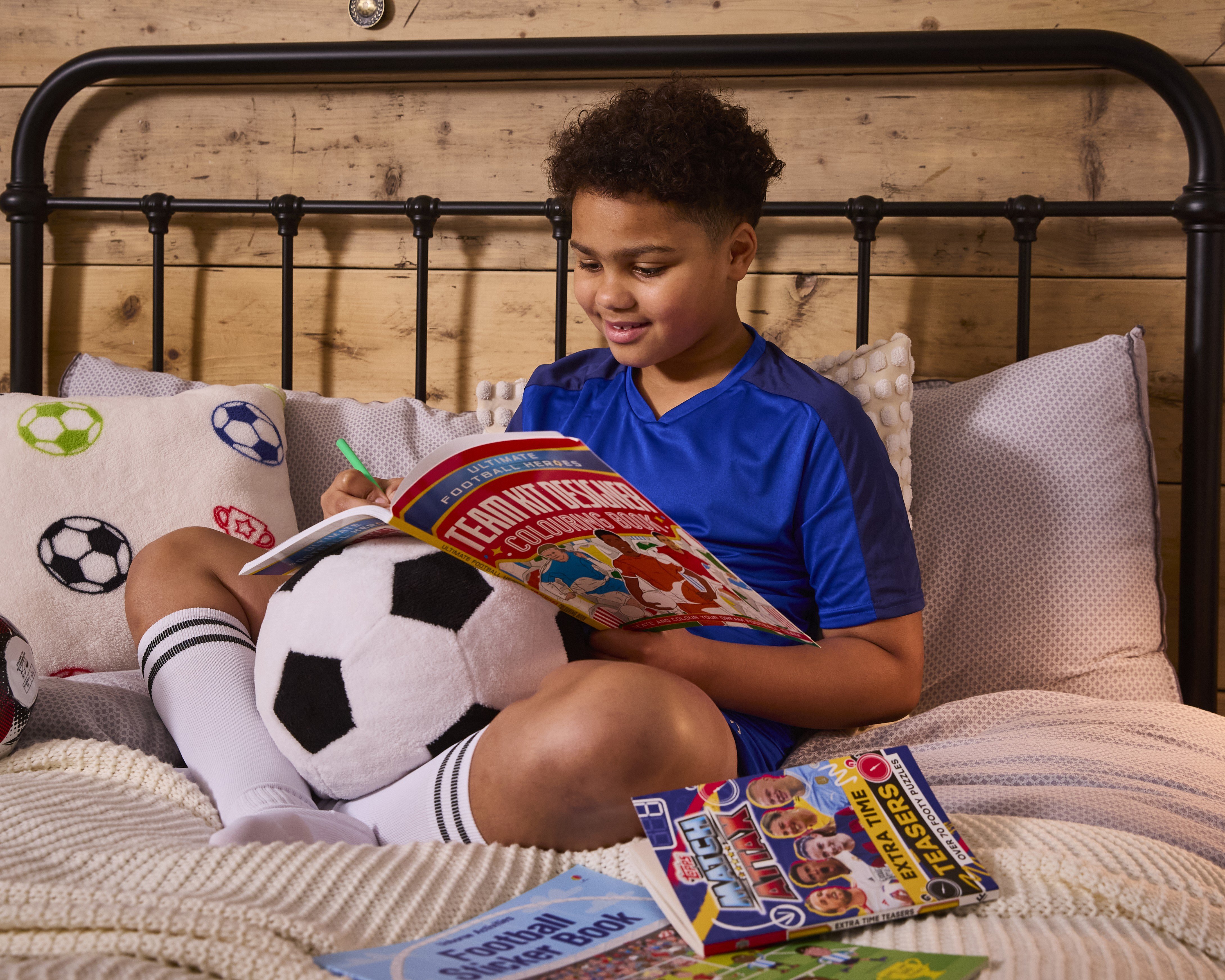
How to Help a Reading Routine Stick Long Term
A lasting reading routine relies on enjoyment and flexibility. Here’s what helps it stay part of everyday life:
- Keep books visible and easy to reach.
- Rotate reading material to maintain interest.
- Create small rewards for consistency, such as a family movie night after a week of daily reading.
- Talk about the stories you read. Asking simple questions, “What do you think happens next?” builds comprehension and keeps children engaged.
- Most importantly, make reading feel warm, not pressured. The goal is for children to see reading as part of who they are, not just a school task.
If you’re exploring books, crafts, toys, or stationery for home, school, or leisure, pop into one of our stores and see what’s currently available and discover activities designed for reading, creativity, and play.
Small Steps that Help Children Fall in Love With Reading
Building a reading routine doesn’t have to be perfect — it simply needs to feel achievable and enjoyable for your family. With small daily habits, the right books, and a relaxed approach, children can grow into confident, curious readers who genuinely enjoy stories.
Whether you’re choosing new books together, creating cosy reading moments, or exploring fresh topics to spark interest, every little step helps. And if you’re looking for inspiration, The Works offers plenty of affordable children’s books and creative activities to support your family’s reading journey. Find your nearest The Works store with a store locator.