By Lucy Starbuck Braidley, Head of School Libraries, National Literacy Trust (NLT)
Reading lets children of all ages discover new worlds, meet new people and learn about the past. It sparks imagination, gets children thinking differently and helps them develop empathy.
We also know that when children read, and enjoy reading, it can benefit all areas of their lives. They are more likely to be confident, feel less stressed and do better at school – setting them up for a bright future.
But sometimes it can be a struggle to get our kids interested in reading. And with such busy lives and so many demands on our time and attention, reading simply for the fun of it doesn’t always make it on to our ‘to do’ list.
So how can we help our kids – and ourselves – unlock the magic of books? Here are some top tips for the whole family.
Top Tips for Making Reading Fun!
1. Read together.
Whether your child is first discovering picture books or reading independently, sharing stories will give you a chance to spend valuable time together, relax and bond over things you both find interesting.
2. Find some time to share stories.
Life is busy! But if you can try and find 10 minutes a day where you can read with your child, it can make a big difference. Choosing the same time to share stories every day, such as bedtime, will help reading become a normal part of your daily routine. For some, bedtime won’t be the ideal moment - choose a time that works best for you and your child.
3. Make reading special.
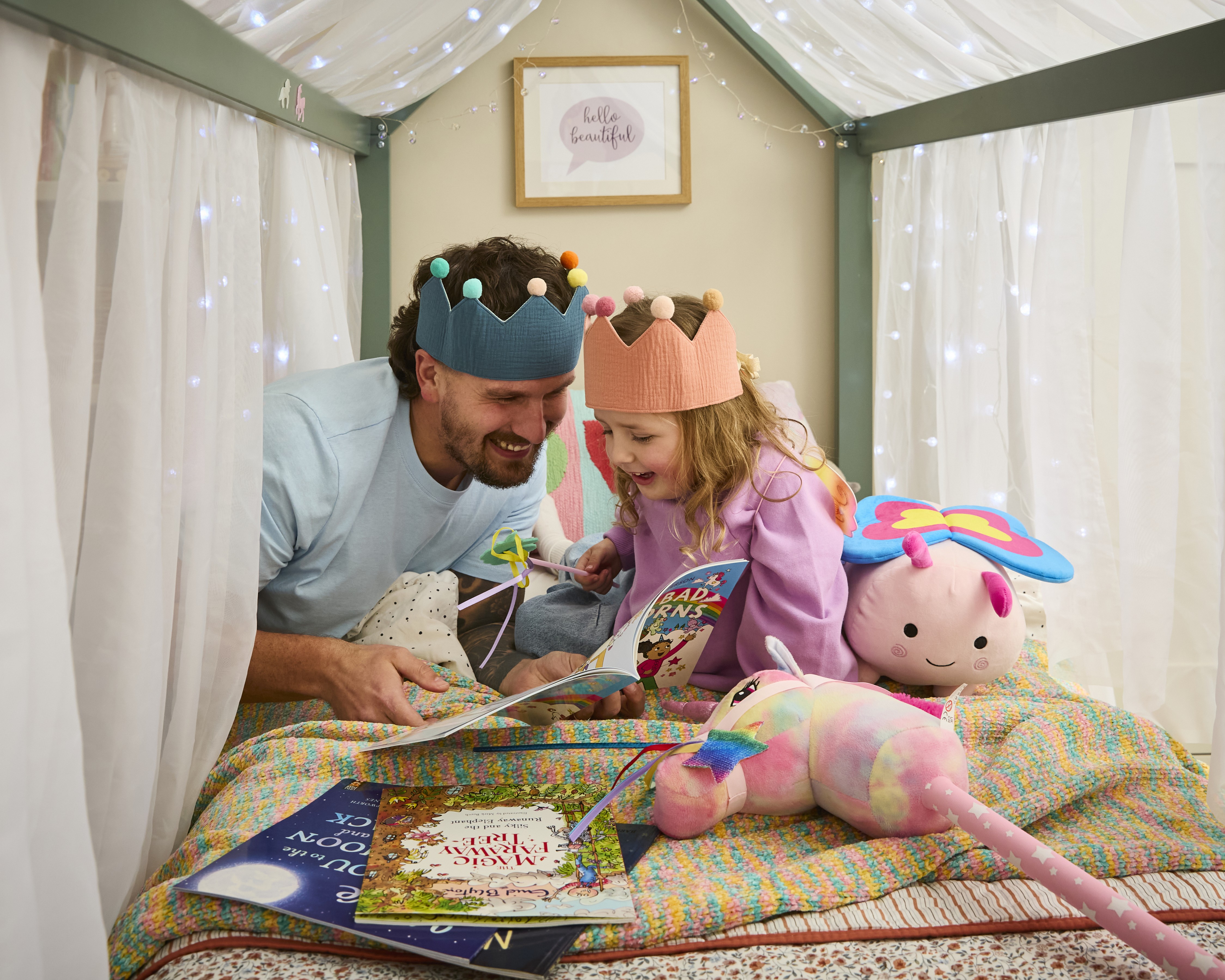
Find a relaxing spot to read together and do your best to reduce distractions, like turning off the TV and putting your phone on silent if you can. This will help your child understand that reading and spending time together is important.
4. Get chatty.
Talk to your child about what they are reading. If it’s a picture book, talk about what you can see and make links to real life. For example, if there’s a picture of a dog, talk about a dog you know. For older children, ask them questions like why they think something might have happened in the story or what might happen next. Talking about what you’re reading can help children understand its relevance to everyday life and inspire them to keep reading.
5. All reading counts.
Find a hobby, topic or theme your child is interested in and go for it! If they love football, you could read the sports section of a newspaper together; if they love dinosaurs, you could find a roar-some magazine to explore; or if they enjoy baking, find a recipe book to flick through; many children find comics appealing and they are great to share. Tapping into your children’s interests is a great way to get them reading, learning and having fun.

6. Bring stories to life.
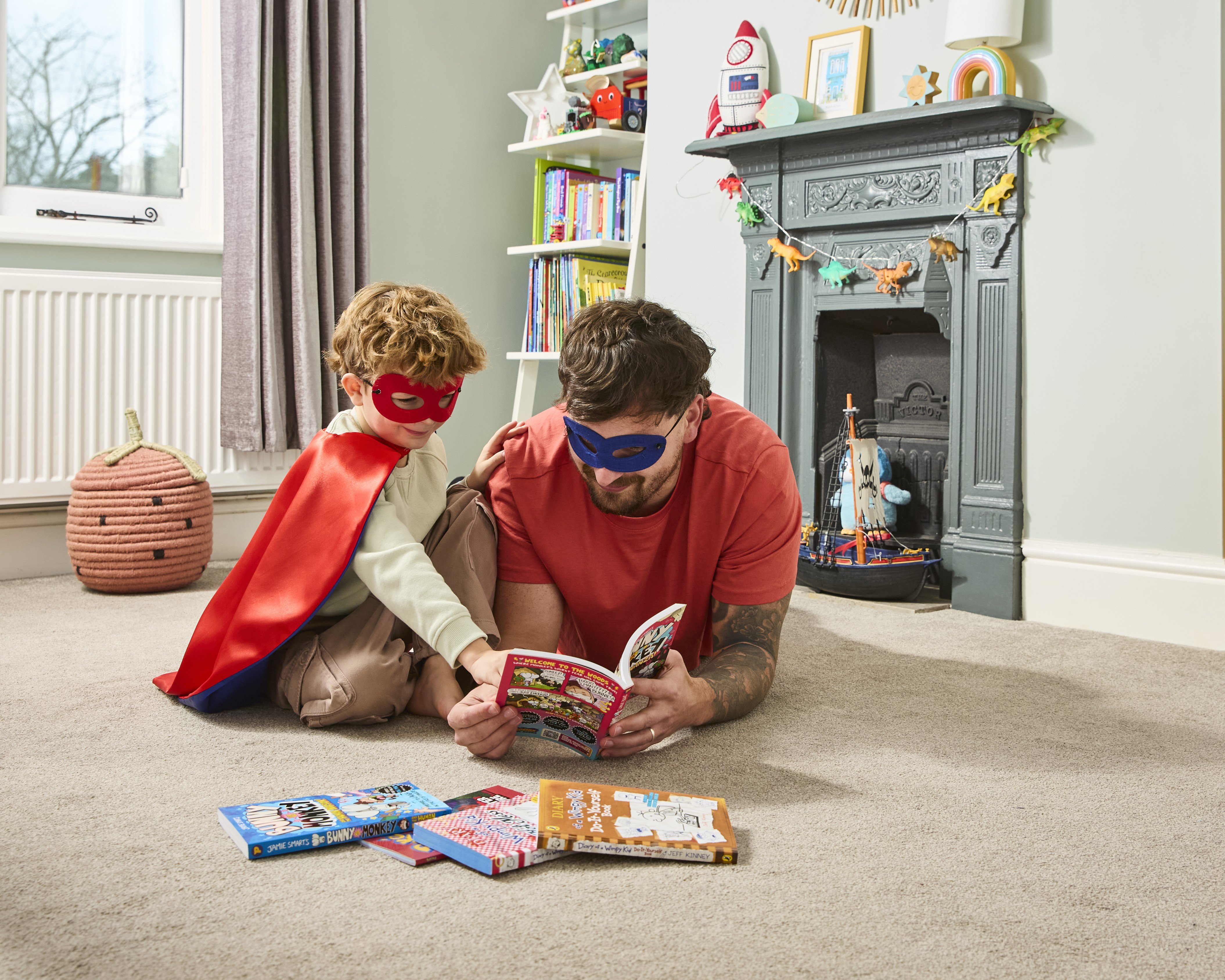
It can sometimes feel embarrassing to do but your children will love it if you use different character voices and sound effects to bring stories to life. Sharing the experience of listening to audiobooks together is another great way to experience lively storytelling with your child.
7. Read and repeat.
If your child has a favourite book, encourage them to read it again and again. It will not only help them to learn new words and concepts, but it can also be a source of familiarity and comfort for them during difficult times.
8. Lead (or 'read') by example.
Parents are their child’s first role models so if you like reading, telling or listening to stories, there’s a good chance your child will too. And the more people in their life who can get involved, the better, so let siblings, grandparents and other adults join in.